A house can remain unsold because its asking price, condition or presentation does not match what buyers can choose elsewhere. Access for viewings and transaction complications can also matter. Review the evidence and feedback before deciding whether to reduce the price or change the marketing approach.
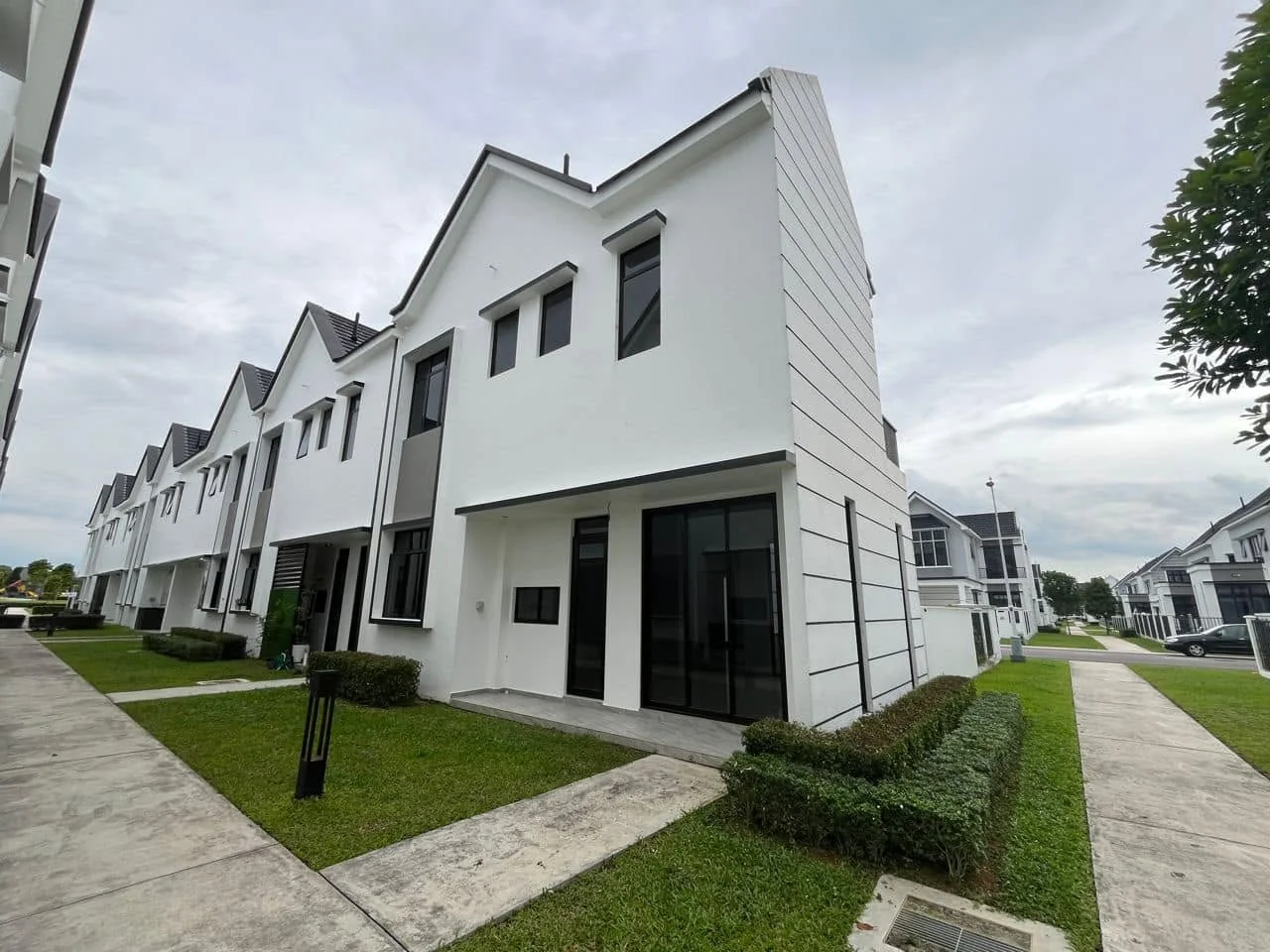
Is your asking price supported by completed sales?
Nearby online listings show your competition. Completed transactions show what buyers actually agreed to pay. Both are useful, but they answer different questions.
Choose comparables with similar house type, land size, lot position and condition. A corner semi-detached home is a weak benchmark for an intermediate terrace simply because both share a township address.
Brickz records transactions after the relevant stamp duty is paid, and data arrives at different times by location. Recorded sales therefore have a time lag. A useful pricing discussion combines relevant evidence with the current competition and the property's condition.
Does renovation justify the full amount spent?
Renovation may improve a buyer's experience, especially when it solves maintenance issues. However, personal design choices do not always attract an equal price premium. A buyer may value a well-kept roof more than expensive finishes they plan to replace.
Before further spending, separate essential repairs from cosmetic work. Ask whether each item will remove a buyer concern or simply add another cost for you.
Are buyers seeing the home clearly?
Use current photographs and accurate details. State the actual room count, relevant measurements and material limitations. Make the home easy to understand without exaggerated descriptions.
Practical viewing arrangements also help. If buyers cannot obtain access at workable times, interest may never develop into a serious offer. Resolve questions about occupants and handover expectations early.
What does the feedback suggest?
Few enquiries can indicate a mismatch between the advertised property and its target audience, or a price outside buyers' search ranges. Viewings without offers may point to an issue buyers discover in person. Repeated offers within a similar range deserve a review of the evidence.
These are diagnostic clues, not automatic rules. A small number of responses does not establish market value. Review the quality of the enquiries and how long the property has been exposed to suitable buyers.
What should an owner do next?
Agree on a pricing rationale, a clear presentation plan and a review point. Evaluate what changed before making another adjustment. The goal is a well-supported sale on terms you understand, rather than a high advertised number with no workable buyer.
Sources and data notes
- Brickz: Data Update and transaction recording methodology, checked 2 November 2026.
- Marketing and feedback guidance is editorial analysis, not a promise of a sale within a stated period.
- A marketing price recommendation is separate from a formal valuation and from the price ultimately agreed by buyer and seller.